Relocating to the Lowcountry: Your First Year in Charleston
Most people who move to Charleston arrive for one of three reasons: a job, a retirement plan, or a long-held wish to live near the water. Whatever brings you here, the first year goes more smoothly if you know what to take care of up front.
Sort out the practical things before you move
- Line up your financing. If you are buying, get a full pre-approval rather than a pre-qualification. It makes your offer credible in a market where good homes move quickly.
- Budget for insurance. In the Lowcountry, wind and flood coverage are separate conversations from a standard homeowner's policy, and they vary street by street. Ask about both before you settle on a price range.
- Plan a scouting trip. Rent for a few months if you can. Commute times here depend heavily on which bridge you cross, and a neighborhood that looks close on a map can feel very different on a Tuesday morning.
Learn how the area is laid out
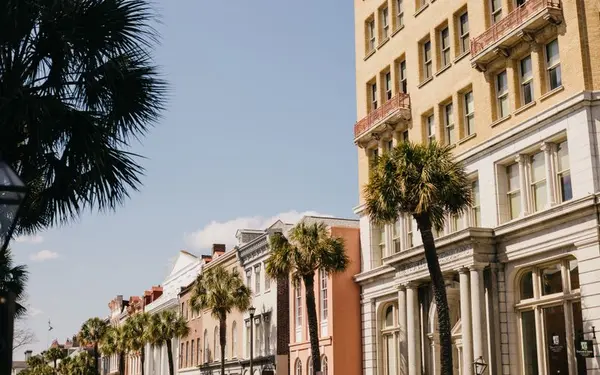
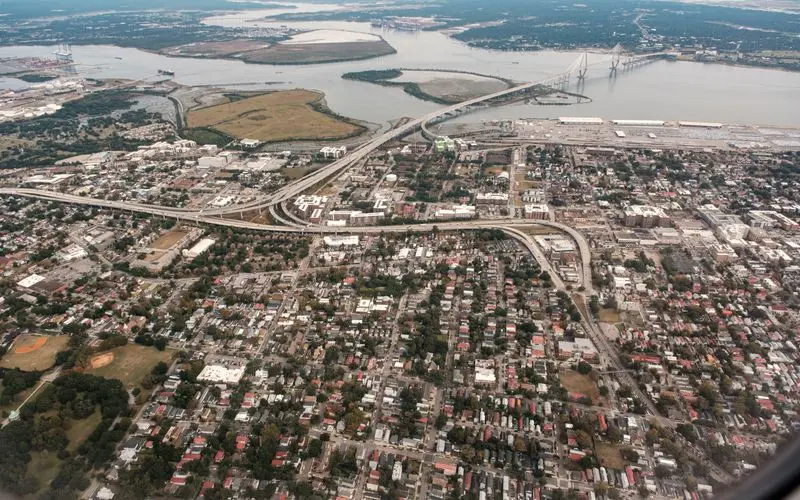
Charleston is built around water, and that shapes everything. The peninsula is the historic center; Mount Pleasant sits east across the Ravenel Bridge; Johns Island, James Island and the sea islands stretch west and south; and the beach towns — Folly Beach, Isle of Palms and Sullivan's Island — each have their own pace. Inland, Summerville, Goose Creek and Moncks Corner offer space and a different kind of commute.
Spend your first few weekends driving the routes you would actually use. It is the fastest way to understand what "close" means in a city threaded with rivers and marsh.
Prepare for the climate
Summers are hot and humid, and the area sees hurricane season from June through November. That is not a reason to worry, but it is a reason to be ready: know your evacuation zone, keep a basic storm kit, and understand how your home is built — crawlspace, elevation, drainage. Your first summer will teach you more than any article can, and by the second one you will be the one giving advice.
Build your local network
The Lowcountry runs on relationships. In your first year, the people who help most are usually the ones a friend introduced you to: a physician, a contractor, a trusted mechanic, a good barbecue spot. Ask your real estate agent — a local one keeps that list ready, and a good introduction saves months of trial and error.
Make it home, not just a house
The fastest way to feel settled here is to participate: walk the farmers market, take the boat out, join a club, learn the difference between shrimp season and oyster season. Charleston rewards people who show up, and most newcomers say the same thing after a year — they wish they had moved sooner.
If you are planning a move and want a straight conversation about where you would actually be happiest, reach out. We do this every week, and we are happy to help you think it through.
Categories
Recent Posts